Judging Brands By Their Cover
First impressions drive decisions. Discover how intuition shapes consumer choices and how smart branding can help your product stand out on a crowded shelf.
For years, marketing strategies were built around volume, urgency, frequency, and ROI. The goal was simple: reach as many people as possible, as often as possible, with a clear call to action. As automation and AI accelerate this model, ROI has remained the primary measure of success. But today’s audiences are beginning to expect more and are keeping an eye out for brands that go the extra mile for people not just profits.
Great creative work doesn’t come from how many people are in the room. It comes from how well those people work together. At Britton, we’re a small agency by design. We’re precious about our team and our culture. And while that can raise questions—Can a smaller team handle big work? Can they move fast? Can they scale?—we’ve found that the right creative chemistry answers those questions before they’re even asked.
Creative. Strategy. Heart. They’re more than the words at the top of our website. They are the forces that have shaped our work, our people, and our purpose for nearly 20 years. And as we close out 2025—a year full of extremes, reinvention, and no shortage of surprises—I’ve realized how deeply those three ideas guide how we live and lead.
Lately, there’s been a lot of buzz around whether influencer marketing is on its way out. The short answer? No. But the vibe is definitely shifting. So, what do consumers actually want from influencer marketing now? It comes down to one thing: audience alignment.
We sat down with Emily Wentz from Wieland Healthcare to talk about the role of human-centered design in healthcare. Our conversation explored everything from sustainability to the challenge of creating durable, long-lasting products for demanding environments, all while designing spaces and furnishings that feel warm, welcoming, and like home. Keep reading to hear Emily’s insights and the impact this approach is making in healthcare design.
The question isn’t whether or not consumers will find out how we’re using AI: it’s when, and whether we’ll be ready for that conversation.
Remember the days when TV anchors felt like family friends, even though they had no idea you existed? That one-way emotional connection, what psychologists call a "parasocial relationship”, has evolved into something far more powerful. When a brand shows up like a familiar voice in someone's daily routine, it stops feeling like a product and starts feeling like a partner.
For home and lifestyle brands, gamification isn't just about engagement. It’s about building meaningful, lasting connections through creative strategies that feel aligned with everyday life. This is especially important to the New American Middle, a demographic that values authenticity and responds well to experiences that respect their time, reflect their values, and feel intentionally crafted.
For today’s consumers, sustainability is far from a once-a-year priority or something that can be taken care of with surface-level promises. It’s a key factor in how they choose what to buy, who to trust, and which brands earn their loyalty.
The most influential American architect may not be Frank Lloyd Wright or Frank Gehry. He may not have been named Frank at all.
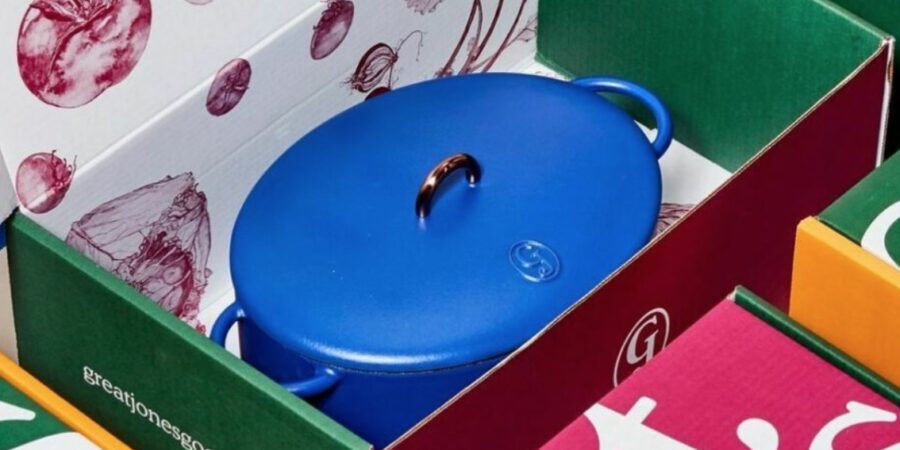
Great Jones Cookware have taken great care to understand and appeal to the core values of their audience and market to them where they live.
Loading more posts